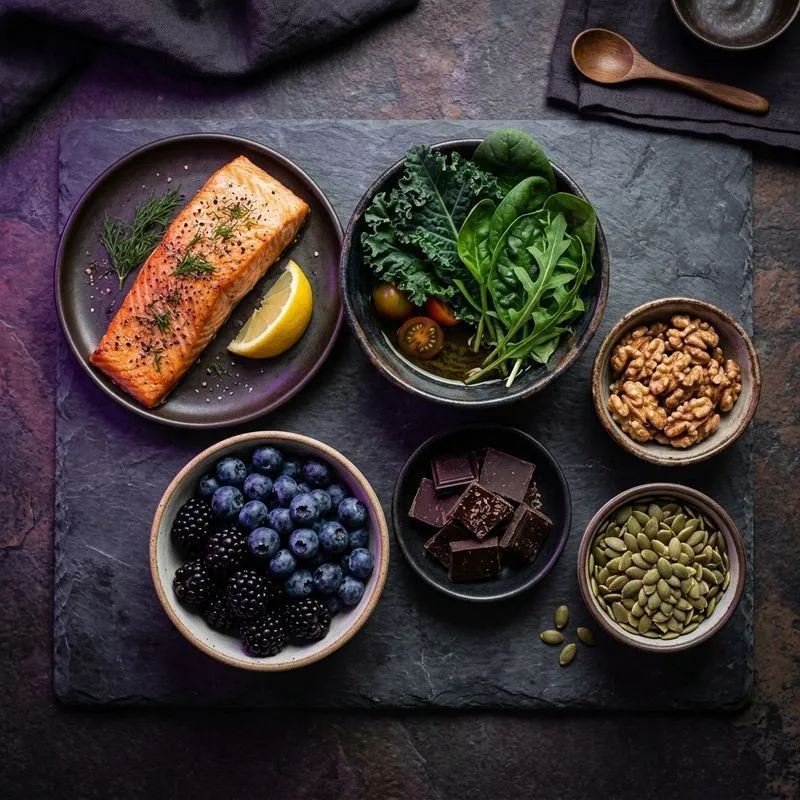
Why Food Is the Most Overlooked Migraine Treatment in America
Approximately 39 million Americans suffer from migraines, making it one of the most prevalent neurological disorders in the country. Yet most treatment conversations center on medication — triptans, beta-blockers, CGRP inhibitors — while the powerful role of diet is often left unaddressed.
After 25+ years of clinical practice, I can tell you: what you eat directly affects how often you get migraines.
The Neurological Connection Between Diet and Migraines
Migraines are triggered when the brain’s trigeminal nerve system becomes over-activated, releasing inflammatory neuropeptides. Certain foods amplify this sensitivity. Others protect against it. Here’s what the science says.
Top Anti-Migraine Foods to Add to Your Diet
1. Magnesium-Rich Foods Low brain magnesium is one of the most consistently documented findings in migraine patients. A 2012 study published in Headache showed that magnesium supplementation reduced migraine frequency by over 40%.
- Best sources: Pumpkin seeds, Swiss chard, black beans, almonds, dark chocolate (70%+)
2. Omega-3 Fatty Acids Omega-3s reduce neuroinflammation by suppressing prostaglandin E2 synthesis — a key driver of migraine pain.
- Best sources: Wild-caught salmon, sardines, flaxseeds, walnuts
3. Riboflavin (Vitamin B2) A landmark Neurology study found that 400mg of riboflavin daily reduced migraine attack frequency significantly over a 3-month period.
- Best sources: Grass-fed beef liver, eggs, almonds, fortified cereals
4. Ginger Ginger contains compounds that inhibit prostaglandin synthesis, offering both anti-nausea and anti-inflammatory benefits during a migraine attack.
- How to use: Fresh ginger tea, ginger capsules (250mg), or grated into cooking
5. Hydrating Electrolyte Foods Dehydration is among the top migraine triggers. Beyond water, focus on electrolyte balance.
- Best sources: Coconut water, cucumbers, celery, watermelon
Foods to Strictly Avoid
| Trigger Food | Why It’s Problematic |
|---|---|
| Aged cheeses (cheddar, brie) | High tyramine content |
| Red wine & beer | Histamine + sulfites + alcohol |
| Processed deli meats | Nitrates dilate blood vessels |
| MSG-containing foods | Excitotoxin that activates trigeminal pathways |
| Artificial sweeteners | Aspartame linked to increased attack frequency |
A Sample Anti-Migraine Day of Eating
Breakfast: Spinach & egg scramble with sliced avocado + ginger tea
Lunch: Wild salmon over quinoa with steamed broccoli and olive oil
Snack: A handful of pumpkin seeds + cucumber slices
Dinner: Grilled chicken with Swiss chard and roasted sweet potato
Evening: Chamomile tea + 1 square of 85% dark chocolate
The Clinical Takeaway
Dietary management is not a replacement for your neurologist’s treatment plan — but for many of my patients, combining neuroprotective nutrition with clinical care has reduced migraine days per month by 50% or more.
For a complete, chef-designed anti-migraine meal plan, refer to the Headache and Migraine Control Diet by Dr. D Kumar, MD and Chef Sandra Mallut.
Always consult your physician before making significant dietary changes, especially if you are taking migraine medications.