Why Seniors Across America Are Switching to the Mediterranean Diet
The Mediterranean diet consistently ranks as the #1 diet for brain health by U.S. News & World Report. For American seniors, this isn’t just a trendy eating pattern — it’s one of the most clinically validated strategies for reducing the risk of Alzheimer’s, stroke, cardiovascular disease, and frailty.
As a neurologist, I recommend this dietary approach to nearly every patient over the age of 65 who comes through my clinic in Madison, Wisconsin.
What Is the Mediterranean Diet?
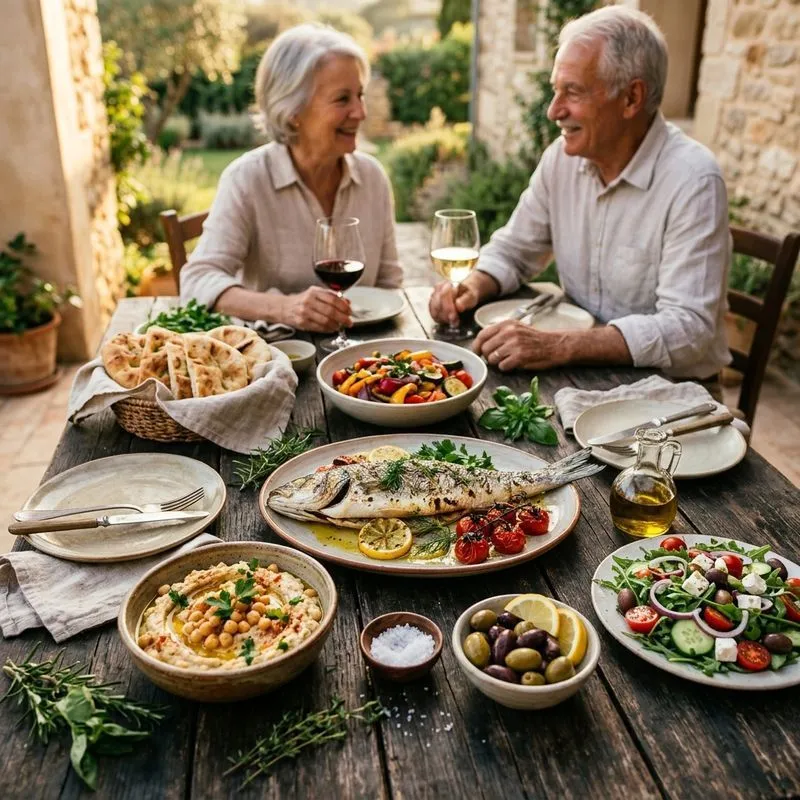
The Mediterranean diet is a plant-forward eating pattern inspired by the traditional cuisines of Greece, Italy, and Spain. Its core principles include:
- High intake of vegetables, fruits, whole grains, legumes, nuts, and olive oil
- Moderate intake of fish and seafood (2–3 times per week)
- Low intake of red meat, processed foods, and refined sugar
- Red wine only in moderation (optional; consult your physician)
The Brain Science Behind It
MIND Diet Research
The MIND diet — a hybrid of the Mediterranean and DASH diets developed by researchers at Rush University Medical Center in Chicago — found that strict adherence reduced Alzheimer’s risk by 53%. Even moderate adherence reduced risk by 35%.
PREDIMED Trial
The landmark PREDIMED trial, involving over 7,400 participants, demonstrated that a Mediterranean diet supplemented with extra-virgin olive oil or nuts reduced major cardiovascular events by 30% compared to a low-fat control diet.
Key Neuroprotective Mechanisms
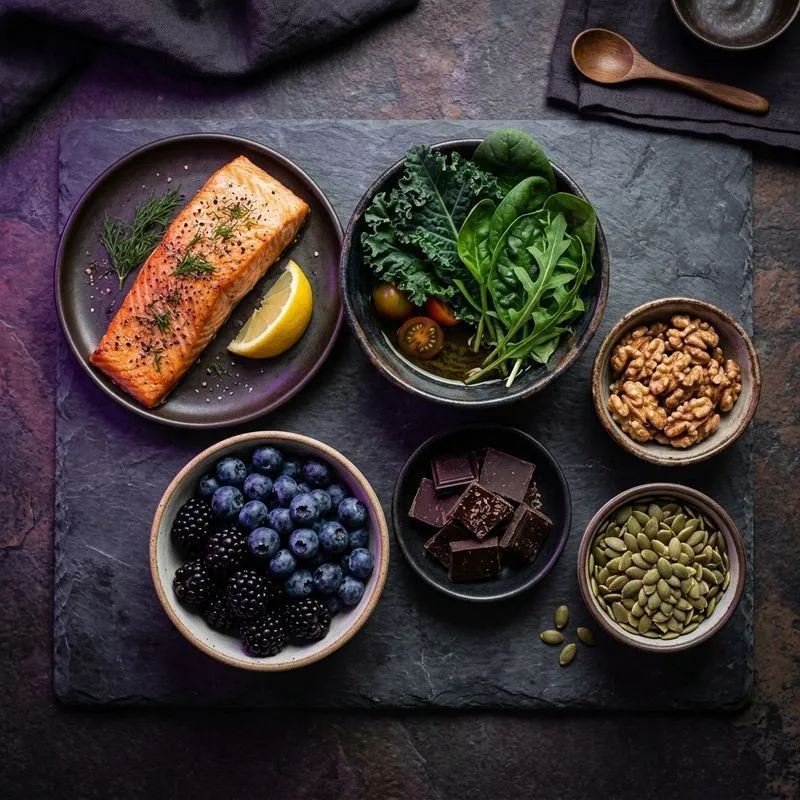
- Polyphenols in olive oil and berries reduce neuroinflammation
- Omega-3s from fatty fish build and maintain myelin sheaths
- B-vitamins from legumes and leafy greens lower homocysteine (an Alzheimer’s risk marker)
- Antioxidants from colorful produce combat oxidative stress — a primary driver of neuronal aging
Practical 7-Day Mediterranean Meal Plan for American Seniors
| Day | Breakfast | Lunch | Dinner |
|---|---|---|---|
| Mon | Greek yogurt + blueberries + walnuts | Lentil soup + whole-grain bread | Baked salmon + roasted vegetables |
| Tue | Oatmeal + olive oil + banana | Chickpea salad with lemon dressing | Grilled chicken + quinoa + spinach |
| Wed | Scrambled eggs + tomatoes + feta | Whole wheat pita + hummus + cucumber | Cod fillet + white beans + arugula |
| Thu | Smoothie: spinach, banana, flaxseed | Mediterranean grain bowl | Turkey meatballs + zucchini pasta |
| Fri | Avocado toast on whole grain bread | Tuna salad (olive oil based) | Shrimp stir-fry with olive oil + veggies |
| Sat | Yogurt parfait with nuts and honey | Roasted veggie wrap | Lamb stew with chickpeas |
| Sun | Vegetable frittata | Greek salad + whole grain bread | Baked sardines + sweet potato |
Common Questions American Seniors Ask
Q: Is olive oil really that important?
Yes. Extra-virgin olive oil (EVOO) contains oleocanthal, a compound with anti-inflammatory properties comparable to ibuprofen, without the gastrointestinal side effects. Use 2–4 tablespoons daily.
Q: Can I follow this diet if I’m on warfarin (blood thinner)?
You can, but because this diet is high in vitamin K (from leafy greens), your INR levels may need more frequent monitoring. Always coordinate with your prescribing physician.
Q: Is fish safe for seniors with high mercury concerns?
Prioritize low-mercury fish: salmon, sardines, anchovies, trout, and tilapia. Limit high-mercury fish (swordfish, tilefish, king mackerel) to once a month.
Getting Started This Week
You don’t need to overhaul your entire diet overnight. Start with these three swaps:
- Replace butter with extra-virgin olive oil
- Add one serving of fatty fish per week
- Replace white rice or bread with quinoa or whole grain alternatives
For a complete, chef-tested Mediterranean meal guide designed specifically for seniors, see The Mediterranean Diet for Seniors by Dr. D Kumar and Chef Sandra Mallut.
This article is educational and does not substitute for personalized medical advice from your healthcare provider.